Alaska's Kelp for Alaska's Harvest
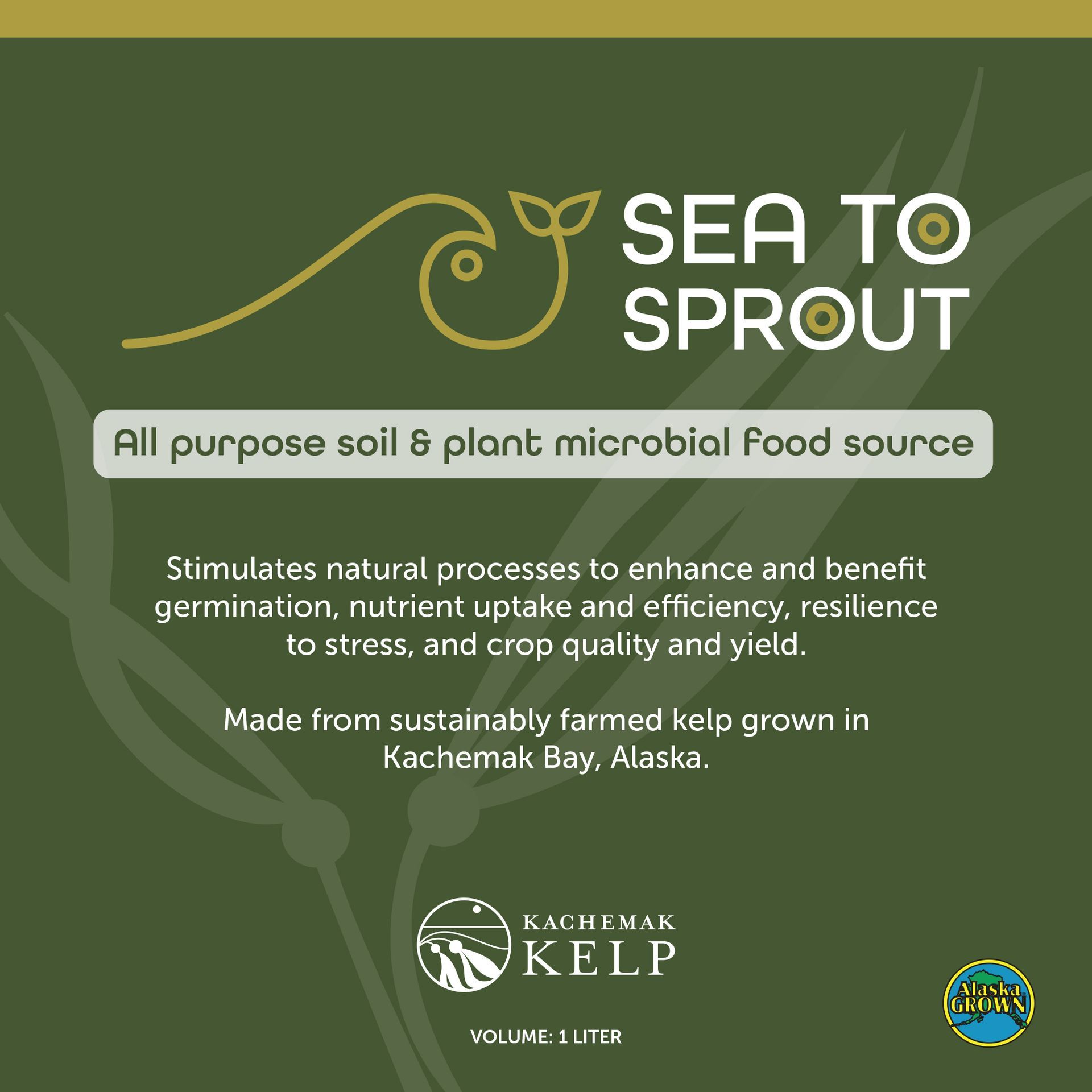
Introducing Sea to Sprout, an all-purpose microbial food for soil and plants. This kelp-based biostimulant supports the natural processes that help seeds germinate, improve nutrient use, strengthen resilience to stress, and promote healthy, high-quality growth. It's made from sugar kelp regeneratively farmed in Kachemak Bay and lower Cook Inlet, making it the perfect supplement for Alaskan home gardens, indoor plants, or on the farm.
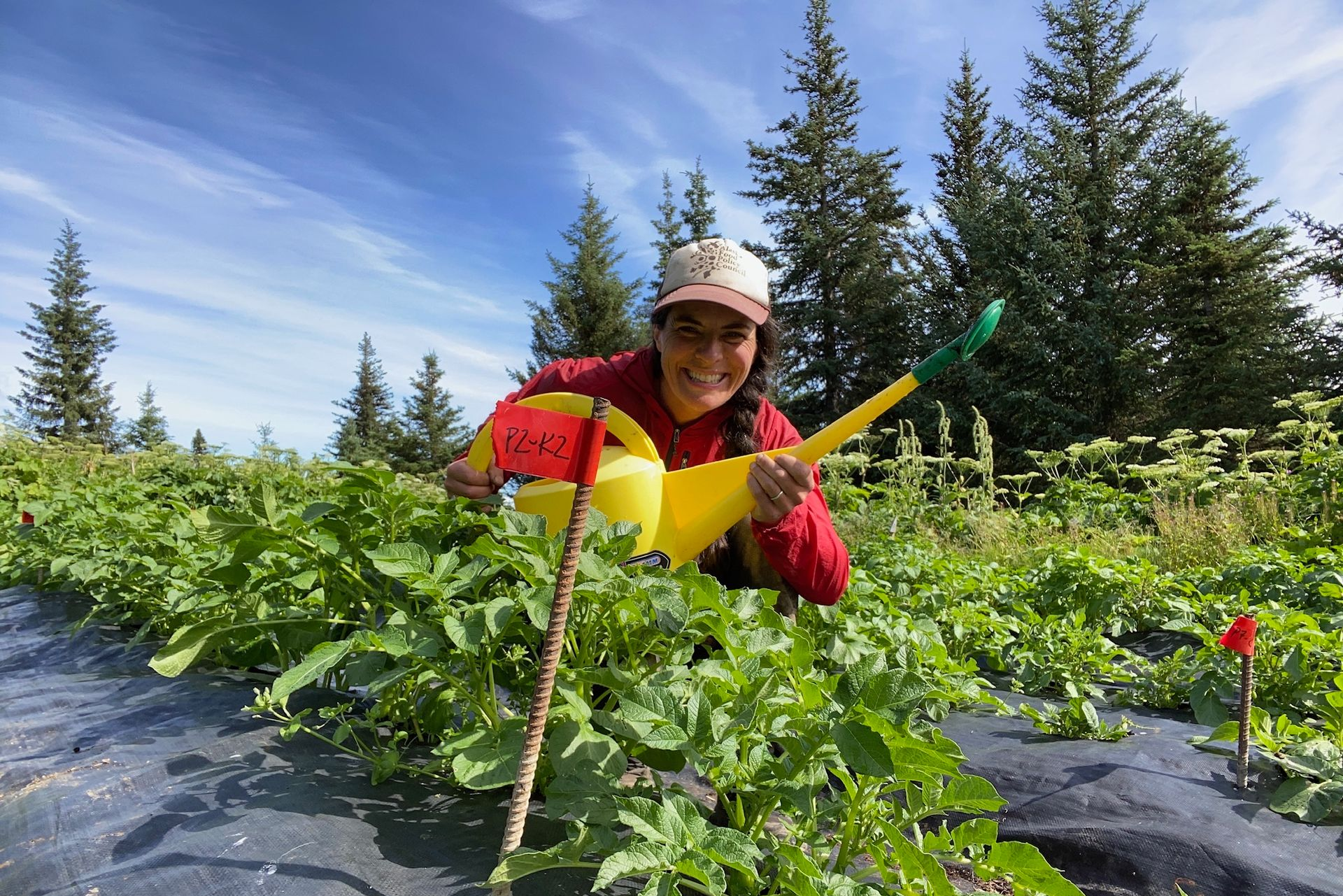
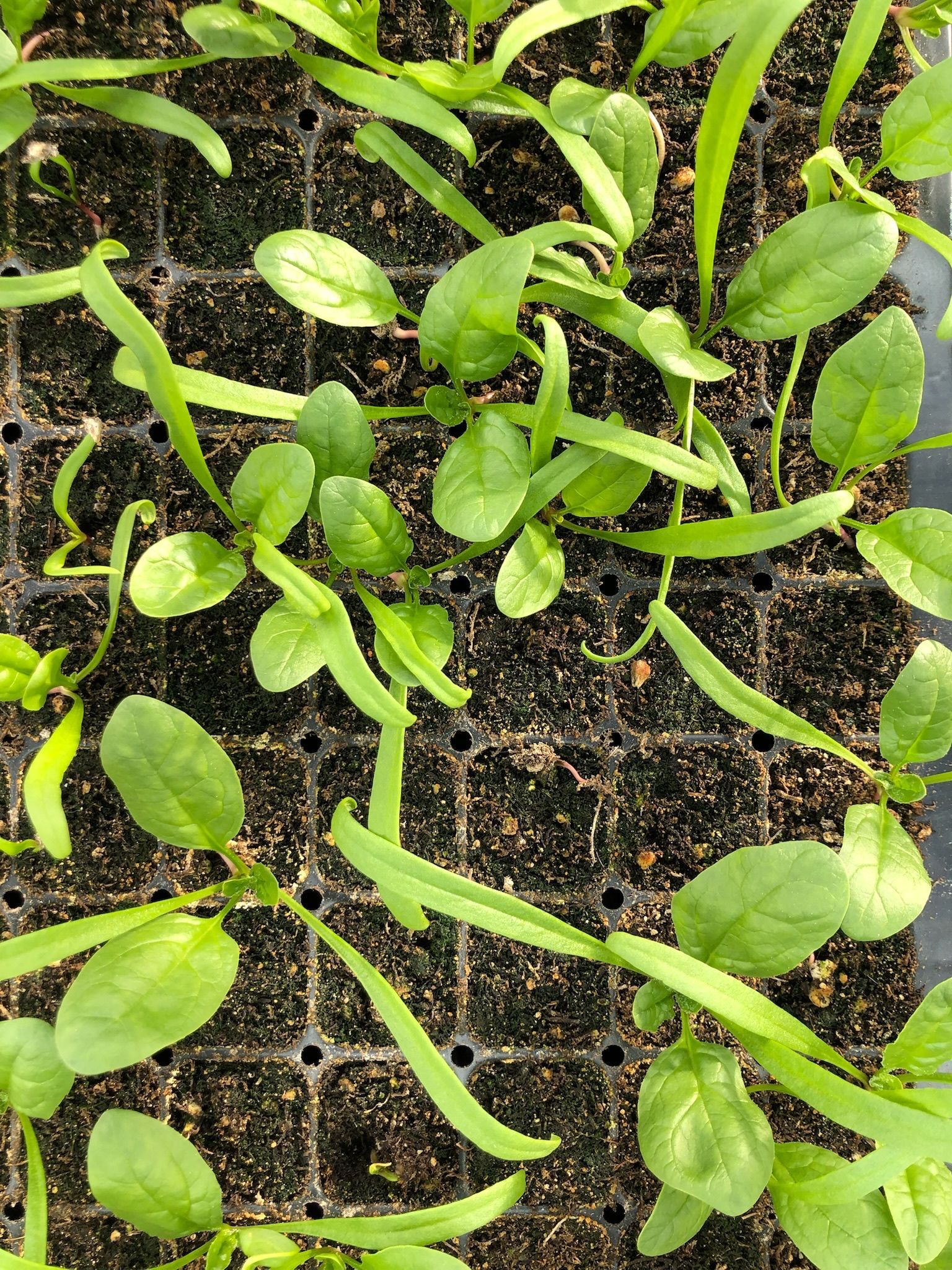
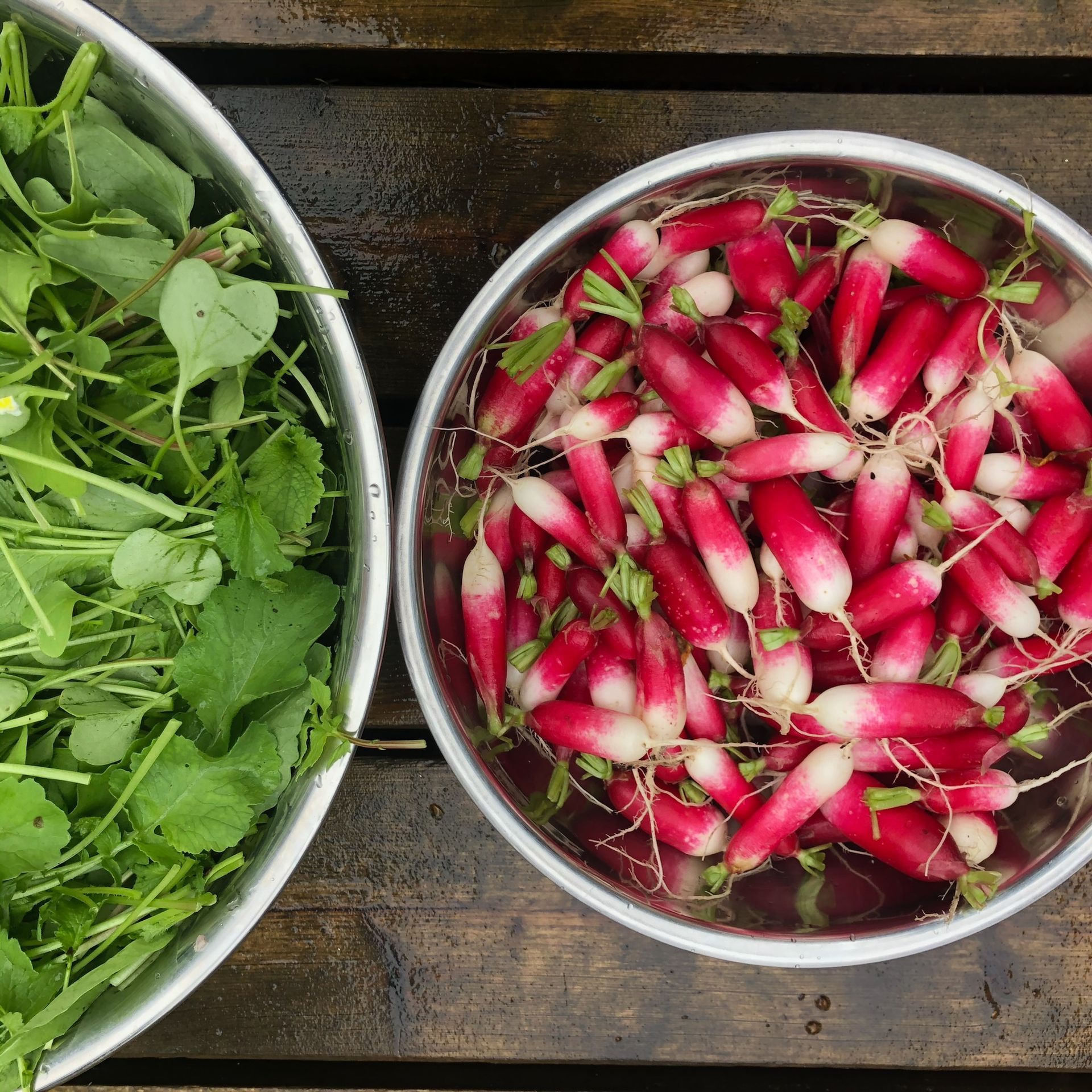
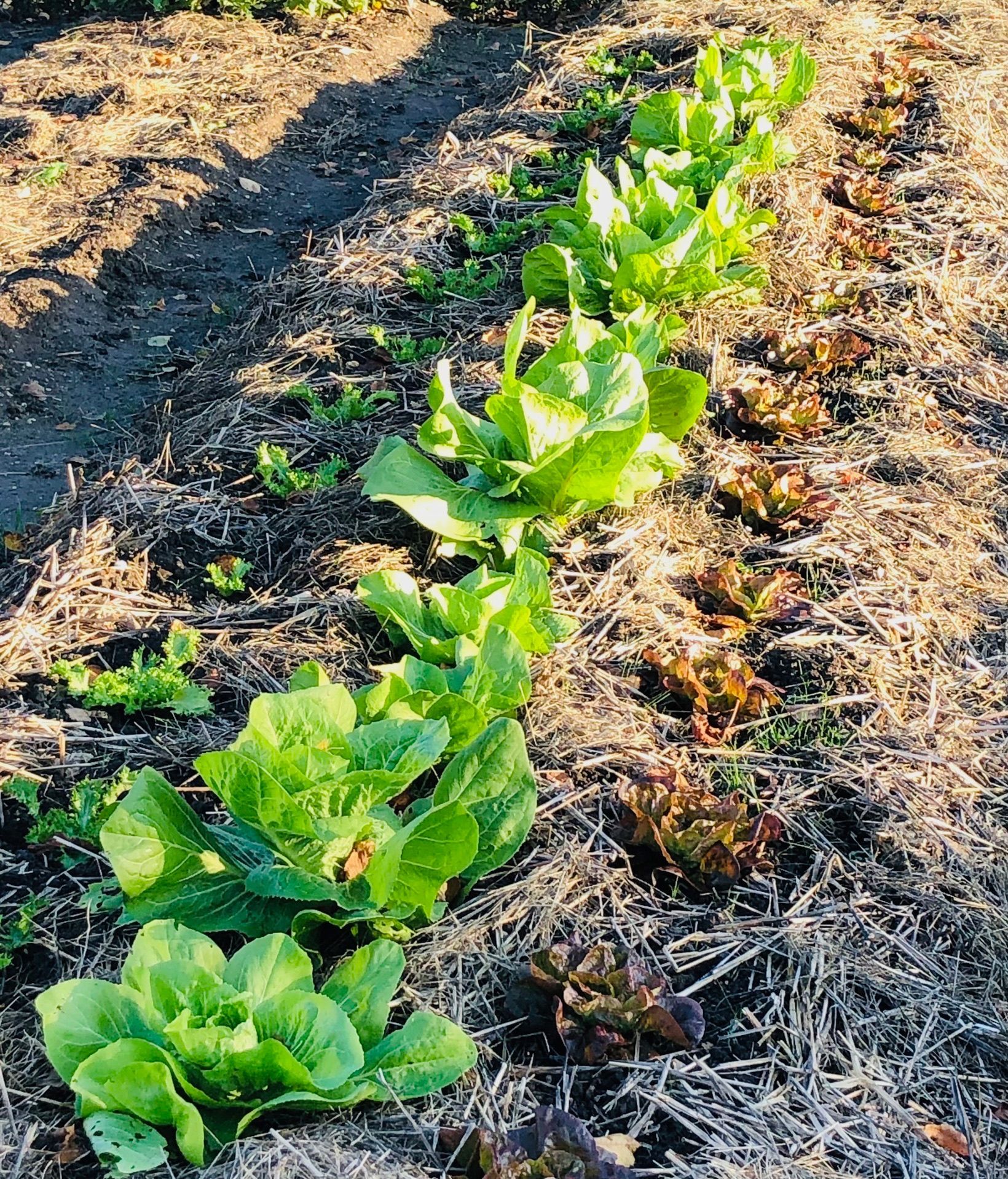
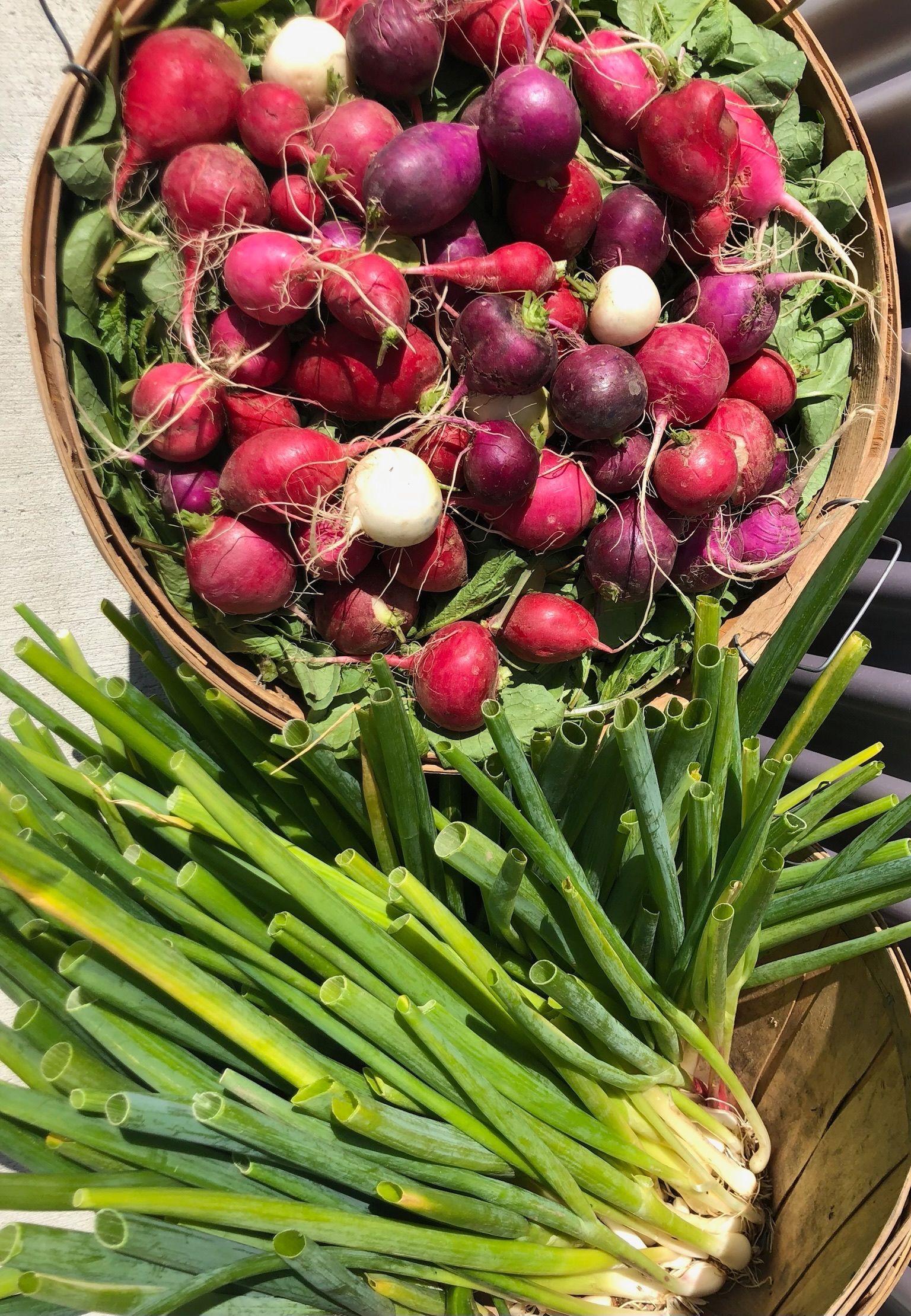
Emily Garrity, Twitter Creek Gardens in Homer (above), and the University of Alaska Fairbanks Experiment Farm in Fairbanks tested the efficacy of Sea to Sprout.
Strengthens Plant Resilience
Promotes Healthy Growth
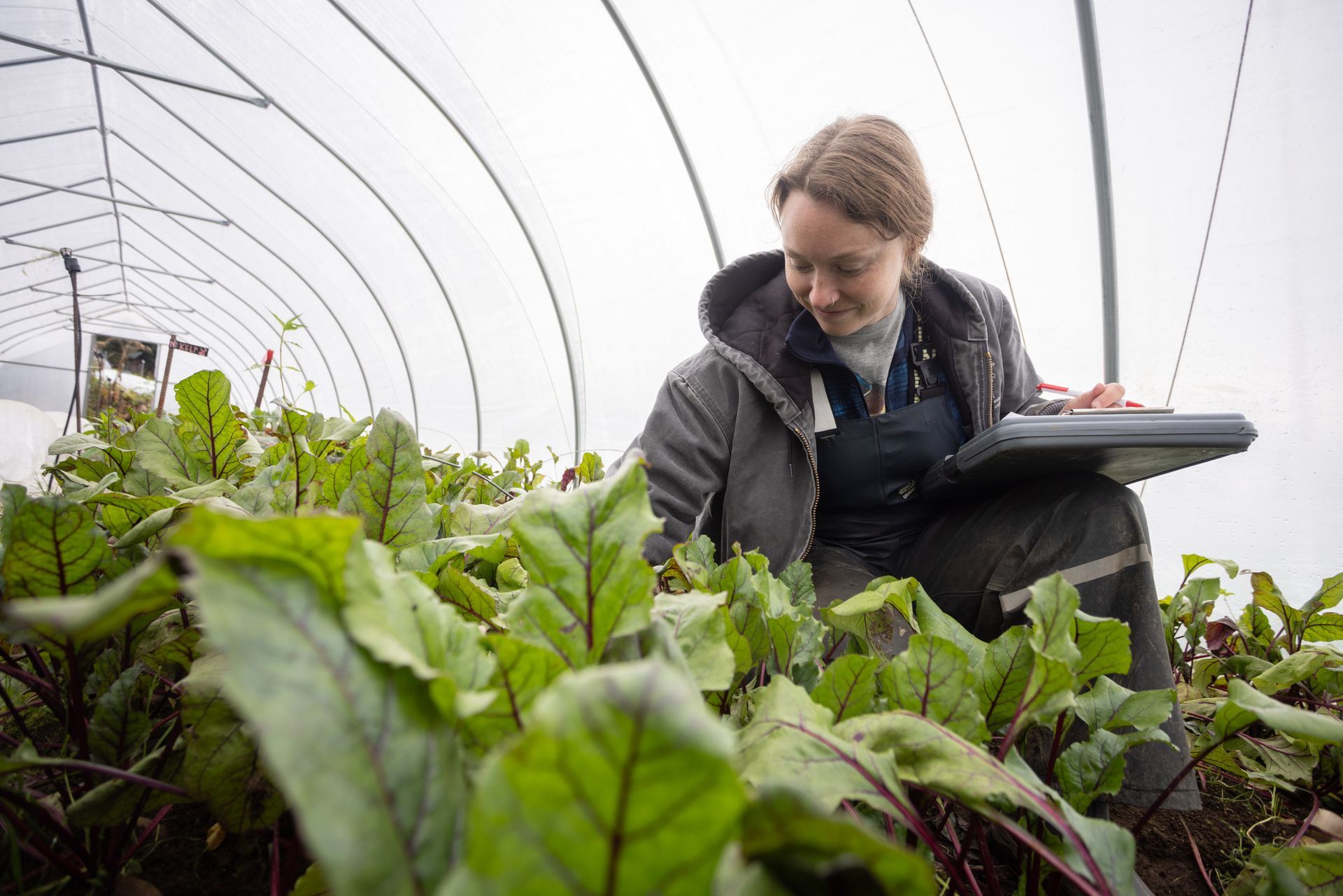
Victoria Monsaint-Queeney of the Homer Soil and Water Conservation District recording data during Sea to Sprout field trials.
Frequently Asked Questions
1. How is Sea to Sprout made?
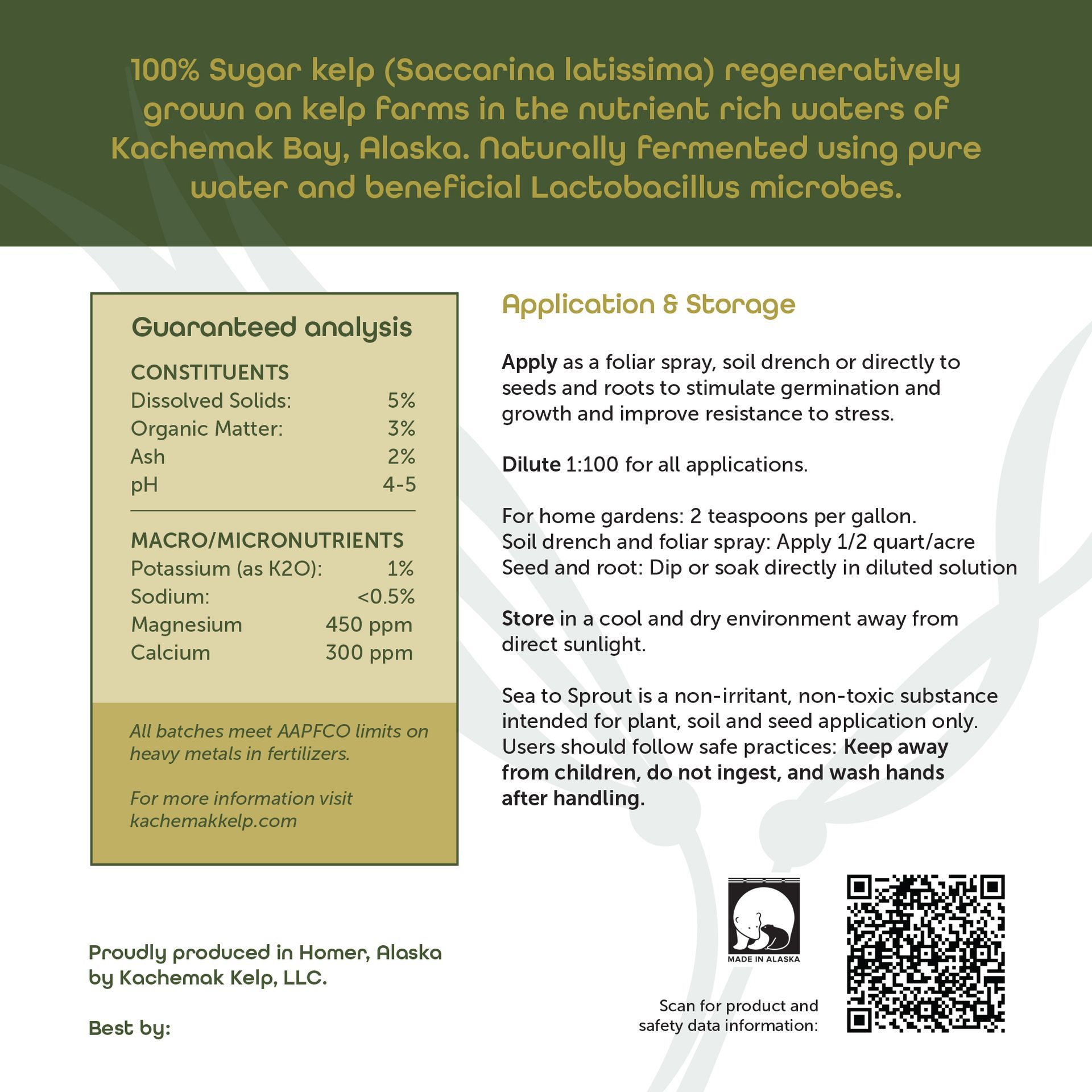
○ Sea to Sprout is made from Sugar kelp (Saccarina latissima) regeneratively farmed from local seed, without any inputs, in Kachemak Bay and Lower Cook Inlet, Alaska.
○ We ferment the kelp using active lactobacillus culture. Fermentation helps break down cell walls and release phytoactive compounds (e.g., auxin-like substances, polysaccharides, and phenolics) that can enhance plant growth. Fermentation may further increase bioavailability of these compounds.
○ When fermentation is complete we filter the liquid portion, reserving the solid portion for other uses.
2. What are the benefits of using a seaweed based plant biostimulant, and can it be used on different crops and types of plants?
○ Seaweed-based plant biostimulants help plants grow better, handle stress, and use nutrients more efficiently, and they are highly versatile across many crop species and plant types. They are used on vegetables, fruits, row crops, turf, ornamentals, and tree crops. They are typically used in seed, soil, or foliar applications.
3. How does a biostimulant differ from a fertilizer?
○ A biostimulant mainly works by stimulating the plant’s own physiological and microbial processes, while a fertilizer’s primary role is to supply nutrients like nitrogen, phosphorus, and potassium directly. They are complementary: fertilizers “feed” the plant, and biostimulants help the plant use that nutrition more efficiently and cope with stress.
○ Fertilizers are defined by their nutrient content and are applied to correct or prevent nutrient deficiencies by adding essential elements (N, P, K, plus secondary and micronutrients) to soil or plants.
○ Biostimulants are defined by their mode of action: they stimulate natural processes that improve nutrient uptake, use efficiency, and stress tolerance, typically without supplying significant amounts of nutrients themselves.
○ Seaweed-derived biostimulants are known to contain phytoactive compounds (e.g., auxin-like substances, polysaccharides, and phenolics) that can enhance root growth. Fermentation may further increase bioavailability of these compounds.
4. How do biostimulants “work”?
○ Fertilizers act mainly through direct chemistry and plant nutrition: increasing available ions in soil solution for root uptake and driving yield via mass nutrient supply.
○ Biostimulants act through biochemical and biological modulation - by gently changing how plants and soil microbes function (e.g., plant metabolism, root architecture, microbial activity, signaling pathways), improving processes such as root growth, photosynthetic efficiency, and resilience to abiotic stress.
5. How much seaweed biostimulant is needed to see benefits? What happens to plant and root growth and vigor with a too-concentrated dose?
○ Sea to Sprout and other seaweed biostimulants are super concentrated. A little goes a long way. It can be applied as a soil drench, foliar spray or directly to seeds and roots, diluted 1:100 for all applications.
○ Excessive doses of seaweed biostimulants tend to inhibit growth by shifting from a positive, biostimulated state or “signal” to a “stress” that suppresses root and shoot growth. Physiologically, roots experience osmotic/ionic and hormonal imbalances, plus oxidative and sometimes metal toxicity, that collectively suppress meristem activity and elongation.
6. Can seaweed biostimulants be used in organic certified agriculture? Does the biostimulant need to be certified?
○ Yes, seaweed biostimulants can be used in organic certified agriculture: Under USDA National Organic Program (NOP) rules, nonsynthetic seaweed products (liquids, soluble powders, meals) are permitted in organic crop production, as long as processing uses only water, heat, pressure, or other nonsynthetic materials.
○ No, the biostimulant does not need to be certified: NOP does not require that every input used on an organic farm be “organic” or “certified” as a product; it requires that all inputs be allowed under the National List and comply with NOP handling/processing rules.
○ Therefore, a seaweed biostimulant may be used on certified organic farms if the formulation and extraction method fit those NOP criteria, even if the product is not itself certified organic.
7. How are seaweed biostimulants classified and regulated in the US?
○ There is currently no single, binding federal definition or dedicated category for “plant biostimulants”; instead, products are regulated either under state fertilizer/soil amendment laws or, if claims are made that the substance has pesticidal/plant regulator qualities, under FIFRA as pesticides/plant growth regulators by EPA.
See The Science
We invite farmers, researchers, and/or the curious to view and/or download these technical papers and information sheets.
- Product Specification Sheet: KKIH Sea to Sprout
- Adventitious Root Growth Assay: Technical Paper #1
- Efficacy of Seaweed Biostimulants; Technical White Paper #4
- 2026 Biostimulant Application Protocol/Recommendations - Vegetable
- 2026 Biostimulant Application Protocol/Recommendations - Pasture
- 2026 Biostimulant Application Protocol/Recommendations - Peony
- Recommended Application for Greenhouse Production of Potatoes
What could
you grow
more effectively?
Contact us to purchase, become a field testing partner, or learn more about how to give your crops a boost from the sea.